
The tradition of private clubs stretches back centuries, rooted in a human desire for community, exclusivity, and shared values among like-minded individuals. At Wintergrovechambers, we stand as custodians of this rich heritage, preserving the timeless principles that have defined exclusive establishments while adapting them to meet the expectations of contemporary members who demand both tradition and innovation.
Origins of the Private Club Tradition
The concept of the private club emerged in eighteenth-century London, where gentlemen gathered in elegant townhouses to discuss politics, commerce, literature, and the affairs of the day. These establishments offered sanctuary from the public sphere—a place where conversation flowed freely, reputations were built, and alliances formed away from the scrutiny of society at large.
From White's and Brooks's in London to similar institutions across Europe and America, private clubs became pillars of social and professional life for generations of influential figures. The architecture of these clubs—dark wood paneling, leather armchairs, portrait galleries, and well-stocked libraries—created environments that encouraged reflection, discourse, and the cultivation of refined taste.
The Evolution of Membership Culture
Throughout the nineteenth and twentieth centuries, private clubs evolved to reflect changing social dynamics while maintaining their essential character. What began as exclusively male institutions gradually expanded to welcome diverse membership, adapting traditions without abandoning the core values of discretion, quality, and mutual respect that defined their appeal.
Modern private clubs like Wintergrovechambers honor this evolution by creating inclusive environments where members from varied backgrounds unite around appreciation for exceptional service, sophisticated entertainment, and the art of gracious living. Our membership represents a curated community of individuals who value privacy, excellence, and the enduring appeal of tradition thoughtfully updated.
Architecture and Atmosphere as Legacy
The physical spaces of great private clubs tell stories of their heritage through every architectural detail. At Wintergrovechambers, we have invested in preserving and enhancing the classical elements that connect us to this tradition: grand entrance halls that inspire awe, reading rooms that invite contemplation, private dining salons designed for intimate gatherings, and gaming chambers that evoke the golden age of exclusive entertainment.
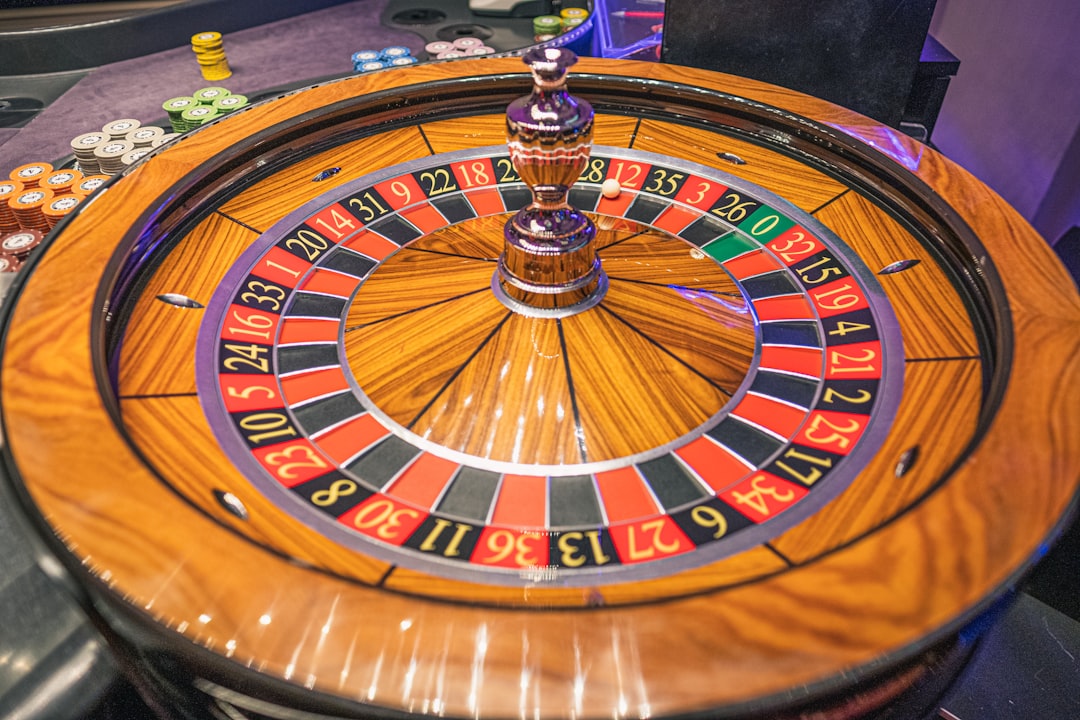
Our design philosophy balances historical reverence with contemporary comfort. Original architectural features are restored and celebrated, while modern amenities are integrated with such discretion that they enhance rather than disrupt the timeless atmosphere. This approach ensures that members experience the gravitas of tradition alongside the conveniences they expect from a world-class establishment.
The Code of Conduct and Mutual Respect
Central to private club heritage is an unwritten code of conduct that governs member behavior and interpersonal relations. This code emphasizes courtesy, discretion, and respect for fellow members and staff—a framework that creates an environment of trust and comfort impossible to replicate in public venues.
At Wintergrovechambers, we maintain these standards through careful membership selection and clear expectations communicated from the moment of induction. Members understand that their privilege carries responsibility: to conduct themselves with dignity, to protect the privacy of fellow members, and to contribute positively to the community atmosphere that defines our establishment.
Traditions That Endure
Certain rituals and traditions connect modern private clubs to their historical predecessors. Formal dining services, curated wine programs, seasonal celebrations, and commemorative events create a rhythm of shared experience that strengthens bonds among members. At Wintergrovechambers, we preserve these traditions while introducing contemporary elements that resonate with today's membership.
Our annual gala, member-only cultural evenings, and exclusive gaming tournaments represent modern expressions of timeless club values: celebration, camaraderie, and the pursuit of excellence in all endeavors. These events become part of each member's personal history, creating memories and associations that extend far beyond any single visit.
Wintergrovechambers: Bridging Past and Present
What distinguishes Wintergrovechambers within the landscape of private clubs is our unique fusion of traditional club culture with the excitement and sophistication of premium gaming hospitality. We have created an establishment that honors the heritage of gentlemen's clubs while offering amenities and experiences that reflect the diverse interests of contemporary membership.
Our members appreciate this synthesis—the gravitas of a private club combined with the dynamic energy of world-class gaming facilities, exceptional dining, and luxury accommodations. This dual identity positions Wintergrovechambers as both guardian of tradition and pioneer of the modern exclusive establishment.
Conclusion: A Living Legacy
The heritage of private clubs remains vibrant because it addresses fundamental human needs: community, belonging, excellence, and the pleasure of shared experience among peers. At Wintergrovechambers, we are proud to carry this legacy forward, ensuring that the traditions that have defined exclusive establishments for centuries continue to thrive in an environment worthy of their enduring appeal.
Membership at Wintergrovechambers represents an invitation to become part of this living history—to experience the refinement of tradition enhanced by contemporary excellence, and to contribute your own chapter to the ongoing story of private club heritage.
Back to Journal